Dark Luxury

Dark Luxury

Luxury’s laundry problem

Arnault deflects succession talk again, not one but two fascinating money laundering stories linked to the luxury industry, and Dior tries to sell half a sandal

Conrad Quilty-Harper's avatar
Conrad Quilty-Harper
Apr 29, 2026
∙ Paid

In this week’s Dark Luxury news round-up

  • Arnault’s children take the stage as he bats away succession, again

  • Galeries Lafayette’s third-best Chinese guide ran a money-laundering ring

  • The fugitive who allegedly bought his way into ultra-luxe Aman deals

  • LVMH lobbies Brussels on leather while cutting its last French tannery

  • Prada’s €750 apology sandal

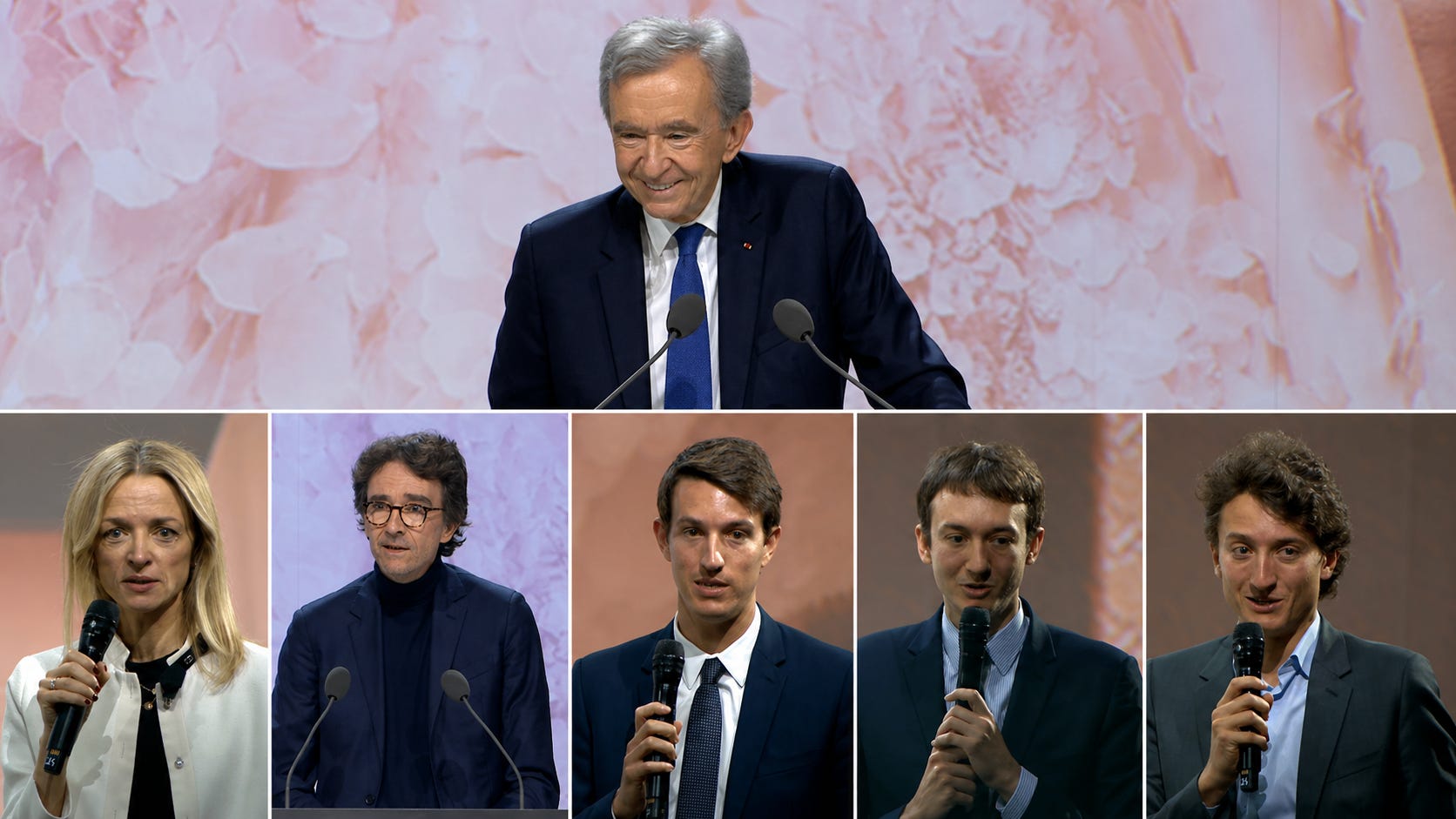
The LVMH family at the AGM. Credit: LVMH

Arnault warns of ‘catastrophe’

Bernard Arnault used LVMH’s 2026 annual meeting last week to deliver a stark warning, telling shareholders that the Middle East war could spiral into a “global catastrophe” and that the group’s recovery (shares are down 30 per cent year-to-date) depends on a swift resolution. It reflects how seriously the conflict has and likely will continue to hit tourist spending and demand for luxury goods. Executives at Hermès, Kering, Richemont and, frankly, any business with exposure to wealthy customers in the Middle East, Asia and Europe should probably share this concern as oil hits $115 a barrel today. Puck’s Lauren Sherman writes that “Arnault’s relationship with Donald Trump is more important than ever now”, but it’s hard to see what influence he, or anyone else, has over the US President until after the midterms in November. Meanwhile, the FT’s Edward Luce writes, “Get used to the long Iran War”. If that’s true, get used to depressed luxury sales and share prices then, too.

The Arnault siblings take the mic
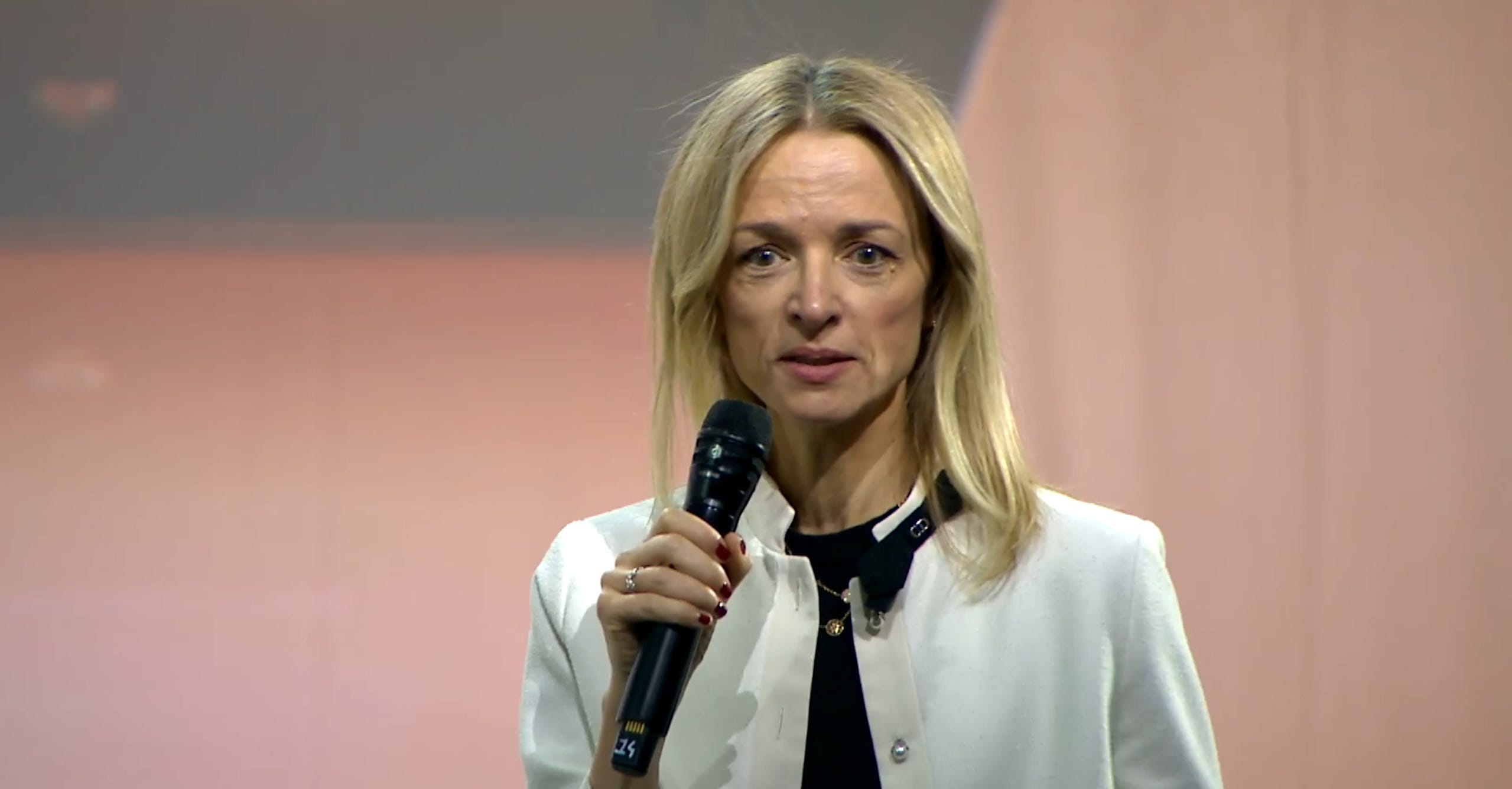
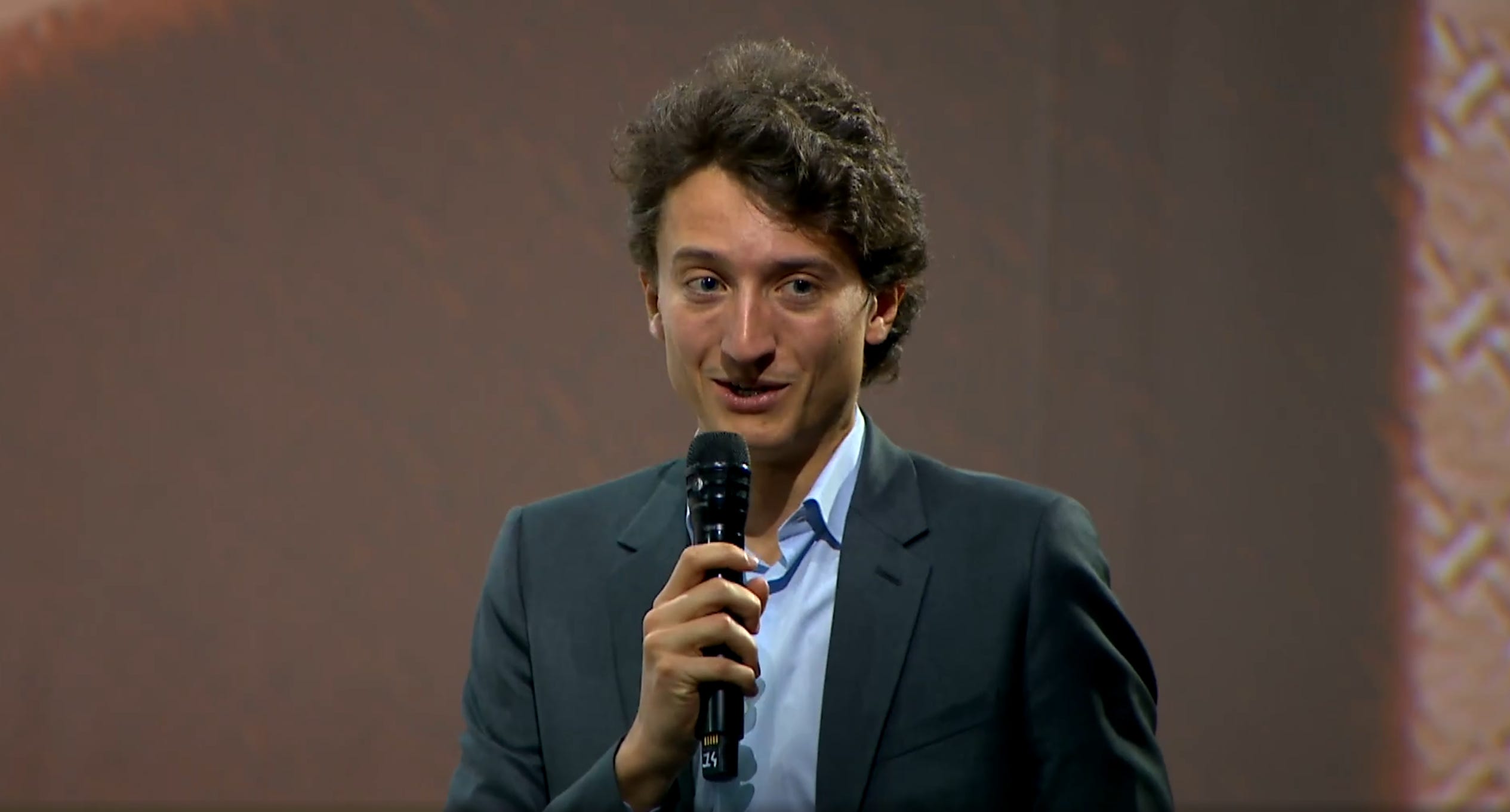
The siblings on stage, in order of age. Delphine…
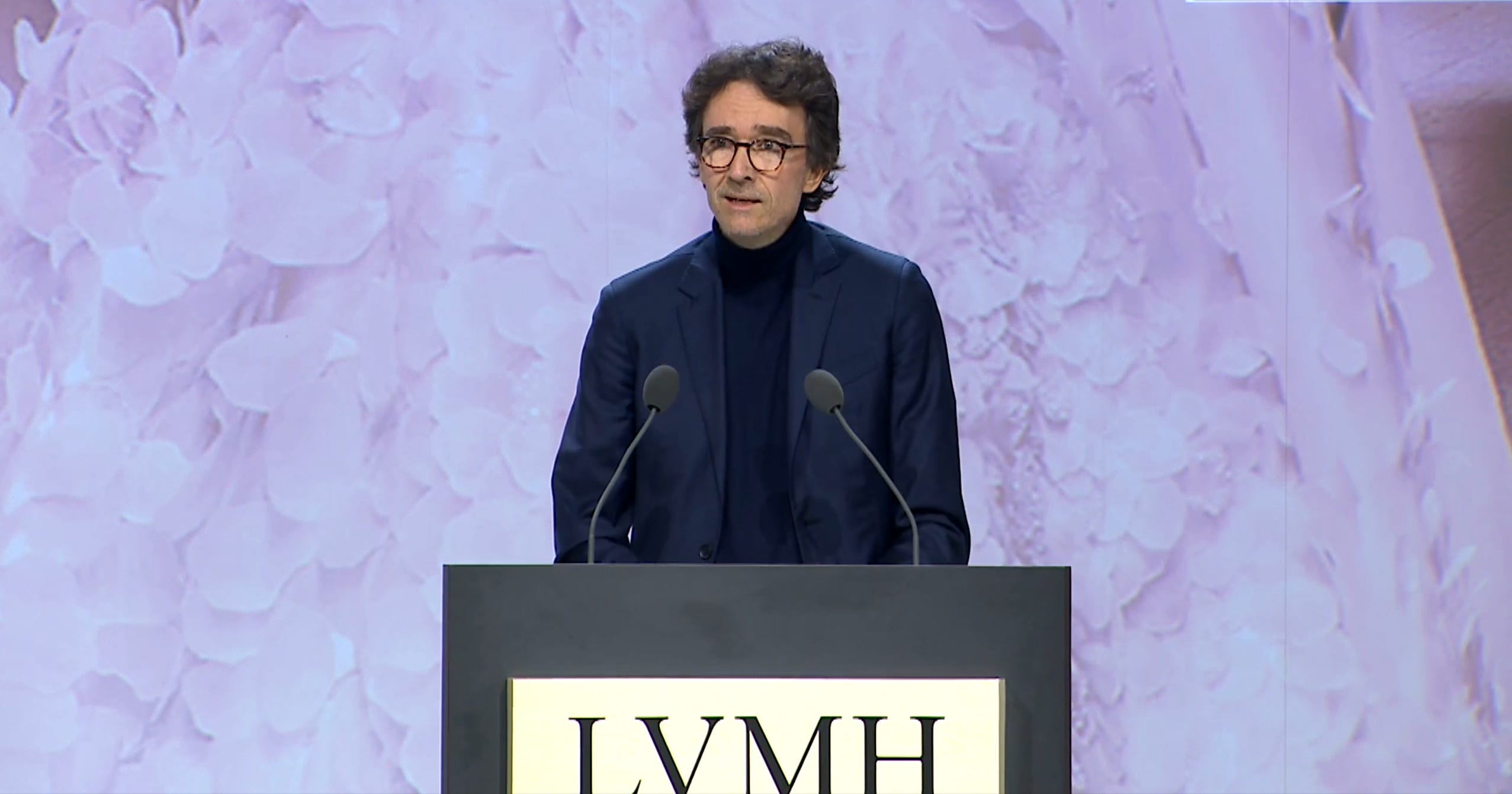
…Antoine…
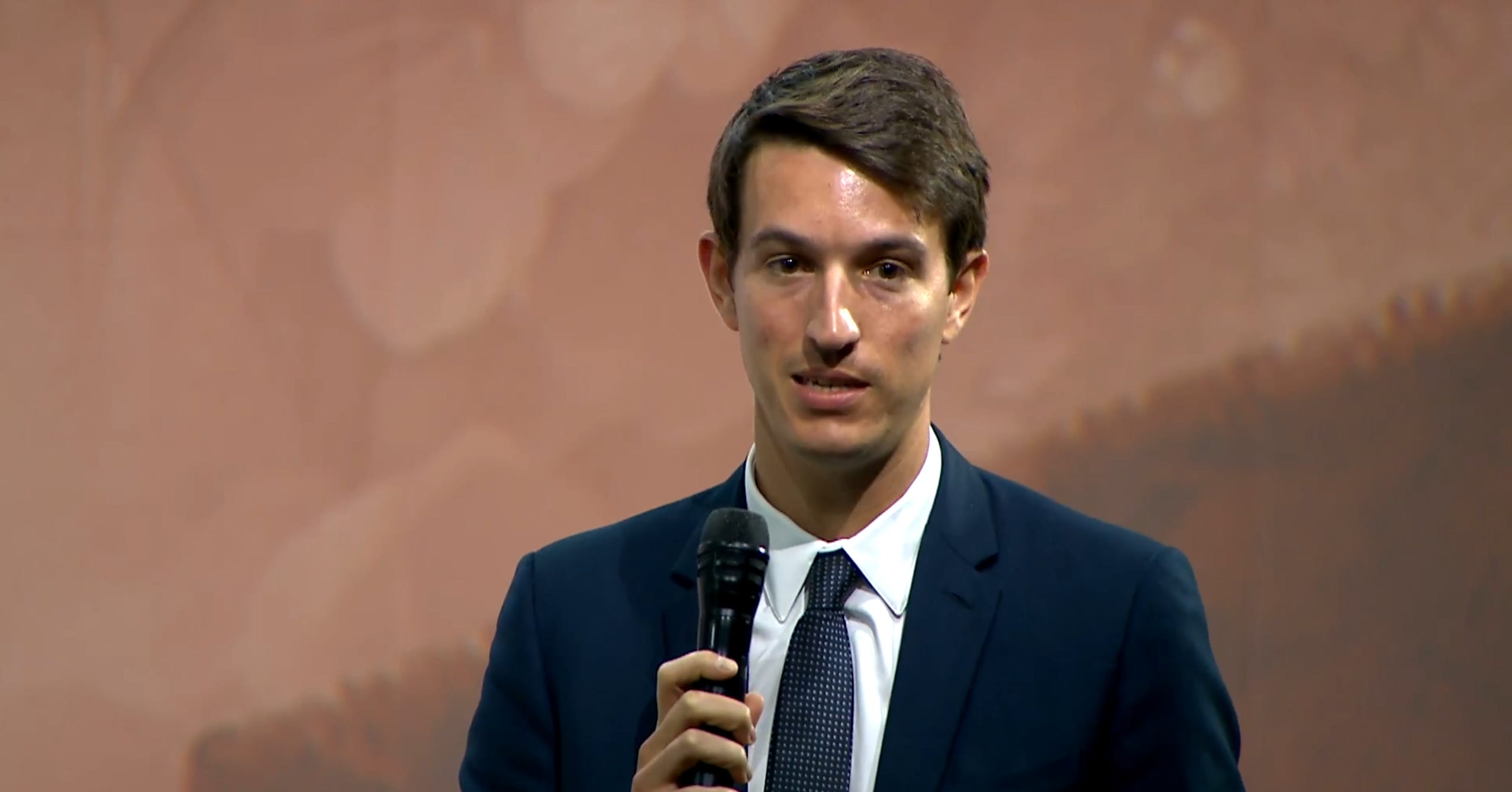
…Alexandre…
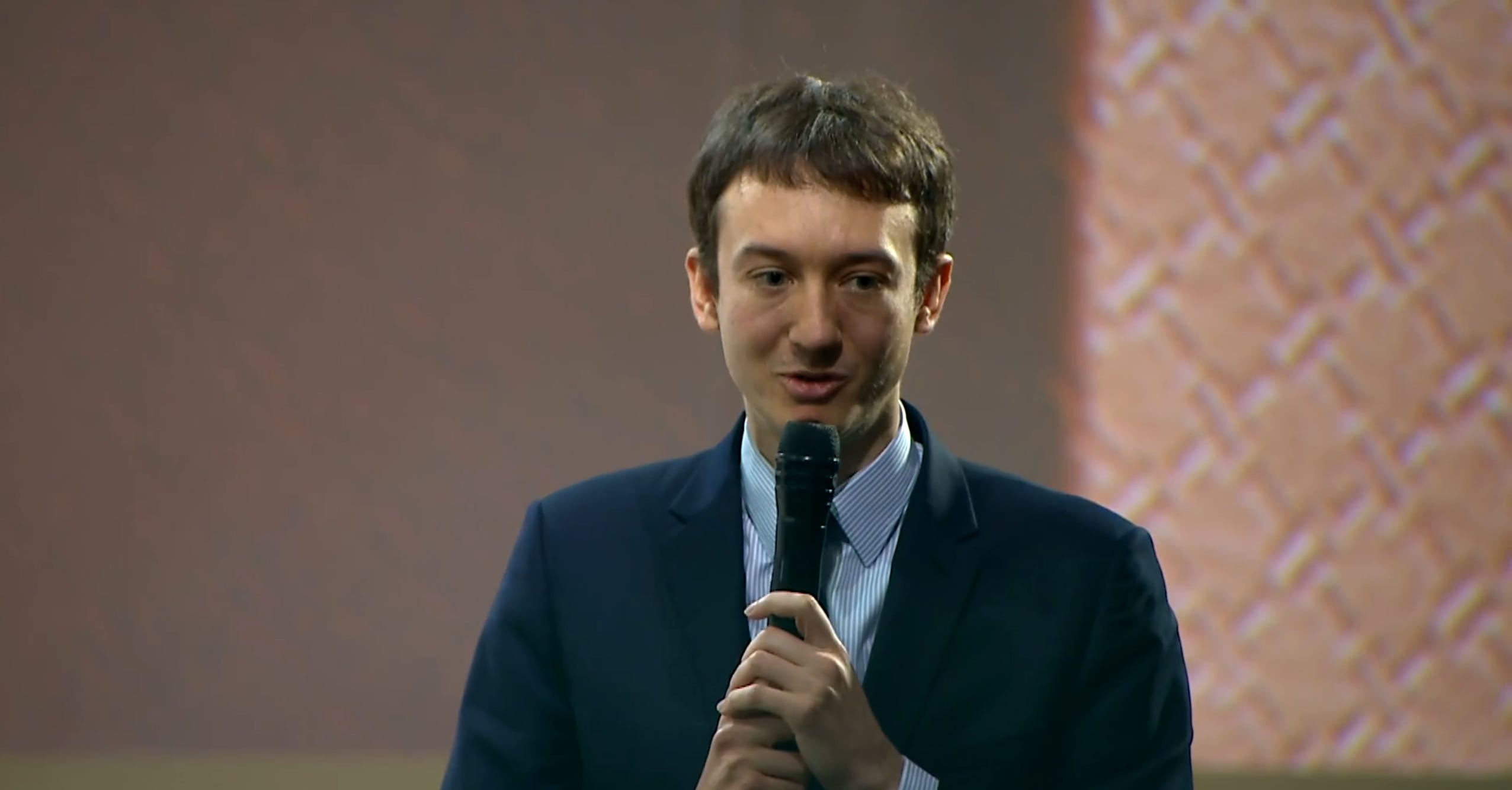
…Frederic…
…and Jean.

Arnault chose to put all five of his children on stage this year in a fascinating test of the nerves of these scions of industry. Delphine seemed the most confident, despite being forced to hold a microphone in the front of the stage, evoking Kendall “L to the OG” Roy. She did not break into song, instead boasting about the LVMH prize and boosting “genius” Jonathan Anderson at Christian Dior. She was third to take the stage after her younger brothers Frederic and Jean, who seemed very comfortable, perhaps because they have less at stake in the succession story. Alexandre seemed the most nervous, and the eldest, Antoine, seemed to hide a bit behind the lecturn by contrast.

In response to questions of succession at the meeting, the 77-year-old billionaire and CEO was characteristically dismissive. He pointed to his renewed contract and the active roles of his five children across the group, declining to be drawn further. “We’ll talk about all this again in seven or eight years”, he bluntly told investors. And since he now symbolically owns more than half of the group’s shares by capital and nearly two thirds of the controlling vote, he can afford to. LVMH short-seller Intern Pierre found it interesting that his son Alexandre Arnault used the meeting to pitch the group’s alcohol expansion plans in Africa, framing the continent as a long-term growth opportunity. Yes, Africa and Nigeria in particular are a growth story for the future, but that pitch will strike some investors rather irrelevant to their concerns about the languishing share price right now.

(Financial Times on AGM / Financial Times on LVMH sales / Intern Pierre / Lauren Sherman in Puck)

  • A smaller luxury bellwether: Beiersdorf, owner of luxury skincare brand La Prairie, reports a Q1 sales decline and considers price hikes as the Middle East crisis hits Chinese travel retail and regional markets (Business of Fashion)

  • Knight Frank says the global UHNWI population, aka people with more than $30 million of assets, rose to 713,626 in 2026 from 551,435 in 2021. Although now we think about it, considering how high inflation has been for the last few years, is that number particularly surprising? (Knight Frank)

Galeries Lafayette’s third-best Chinese guide was a money-laundering boss

French investigative weekly Le Canard Enchaîné has perhaps the juiciest dark luxury story of the week. Paris judicial police investigating money laundering raided a textile wholesale business in Aubervilliers in September, and found €150,000 in cash hidden in a false ceiling. They believe the cash was the proceeds of prostitution and trafficking rings, and that it was destined for the aisles of Galeries Lafayette, one of Paris’s most prestigious department stores.

How Chinese gangs trick Louis Vuitton staff and EU taxpayers to get cheaper handbags for the grey market

How Chinese gangs trick Louis Vuitton staff and EU taxpayers to get cheaper handbags for the grey market

Conrad Quilty-Harper
·
January 31, 2025
Read full story

The scheme works like this, according to L’CE. Criminal networks generate cash around Paris, with couriers collecting it on scooters from brothels and massage parlours. That cash is then handed to professional Chinese shoppers, known as daigou, which we have reported on previously, in envelopes and plastic bags, in €10,000 batches, on the shop floor of Lafayette itself. The daigou spend it on luxury goods to take back to China, where the same items cost 30 to 40 per cent more. They also pocket the VAT refund, again as previously reported. On top of making a profit, the money enters the store dirty and leaves clean.

Lafayette is the venue of choice because the store actively recruits these shoppers through Chinese travel agencies, paying generous kickbacks to the tour guides who deliver high-spending tourists. In 2025, according to an internal Lafayette document, the store’s ten best-performing Chinese guides earned €4.3 million in commission, on purchases of more than €50 million, largely in cash. Chinese customers account for 22 per cent of sales at the Haussmann flagship, which turned over €2 billion last year. The guide arrested in September as “the boss of the Chinese launderers” had, at the time, just finished the year ranked third on Lafayette’s own internal leaderboard of top Chinese guides. (Le Canard Enchaine)


Dark Luxury produces unbiased reporting on the luxury industry, and we’re entirely funded by reader subscriptions. Support our work by subscribing, sharing our work or signing up for a paid sub:


Armani posts first results after Giorgio’s death

Armani Group is looking for an investor to take a stake in the company after the death of its founder Giorgio in September, and the latest set of results may not help that mission. Revenue fell 2.8 per cent last year, and CEO Giuseppe Marsocci warned of a “possible structural change in the approach to luxury and fashion”, adding “We cannot fail to recognize the need to adapt to a changing context”. Luxury rebound? What luxury rebound? (Business of Fashion)

Ultra-luxe Aman’s alleged links to ‘money laundering kingpin’

Ultra-luxury hotel brand Aman, where prices for a single night stay can exceed $5,000 a night, operates some of the world’s most exclusive properties and has cultivated a client base of heads of state, billionaires and ultra-high-net-worth individuals who prize discretion above all else. That discretion is very much at risk, as the company’s board is reportedly in turmoil after links to South African fixer Benjamin Mauerberger were exposed, according to Whale Hunting’s detailed account. Mauerberger, who is wanted on fraud and money laundering charges in Thailand, allegedly managed to put money into several Aman projects including a Janu-branded hotel in Dubai, and others in Japan and the Maldives. Aman investors including Saudi Arabia’s Public Investment Fund and Cain International understandably want to know how this happened. (Whale Hunting)

Brunello Cucinelli quietly tightens sanctions compliance

Italian luxury group Brunello Cucinelli, run and owned by the self-described eponymous “philosopher”, said it strengthened its controls to monitor compliance with EU sanctions on Russia in its 2025 annual report, reports Reuters. The firm commissioned an external law firm and its board adopted an “enhanced trade compliance procedure” in December, a few months after short-selling group Morpheus alleged in September that the firm continued selling goods in Russia in violation of those sanctions. You can find the disclosure on page 37 of its 86 page report, published last week. (Reuters)

Former Stella McCartney exec alleges price fixing

A former Stella McCartney America executive is suing LVMH and CEO Amandine Ohayon for gender discrimination, alleging that he was illegally passed over for pay rises and promotions, “including being paid roughly half of a European executive performing the same role”. Andrew Dershaw, who was SVP of Wholesale and at the company for 15 years, alleges that the company, operating under what he says was LVMH-influenced oversight, halted shipments to pressure US retailers into accepting coordinated price increases. Dershaw says he was asked to participate in this and declined, believing the activity to be anti-competitive and illegal, and alleges the company retaliated against him as a result. (Instagram / Joseph & Norinsberg filing / The Fashion Law)

Luxury counterfeits and crime corner

A white and black Porsche GT3 RS purchased by Evan Tangeman. Credit: US Attorney’s Office

  • A counterfeit designer known as “Blake” has built a sophisticated marketing operation selling fake Chanel bags across France, Italy, and the US. (Glitz.Paris)

  • A 22-year-old scammer who stole more than $263 million in cryptocurrency and used the money to buy luxury watches worth $500,000, private jet rentals and exotic cars including a Rolls-Royce and other cars worth as much as $3.8 million has been jailed for nearly five years. (Justice.gov)

  • A cocaine trafficker has been ordered to surrender an £88,000 Rolex collection, including a single piece worth over £41,000, as proceeds of crime. (Yahoo News UK)

Blue chip no more? Birkin resale values fall

The Birkin bag is losing value on the second-hand market, according to Back Row‘s reporting on the resale market, and owners are, by and large, refusing to accept it. The Birkin’s investment narrative has always been driven by scarcity, mystique over the waitlist and social media videos touting better returns than the S&P 500 and gold, but it was always partly a marketing illusion. Like any asset, the price will rise and fall.

There may be implications for Hermès itself. If the second-hand market softens, the premium that underpins primary pricing becomes harder to sustain, and the waitlist system loses some of its psychological potency. (Back Row)

Sanctioned Russian oligarch’s superyacht sails Strait of Hormuz

The Nord, a 464-foot superyacht worth $500 million and linked to Russian steel magnate Aleksei Mordashov, who is subject to US and European sanctions, has been tracked sailing through the Strait of Hormuz. (New York Times)

The superyacht “Nord” in 2020. Credit: Axel Heimken/dpa/Alamy Live News

Is LVMH lobbying the EU to weaken deforestation regs?

The head of LVMH-controlled tannery group Nuti Ivo is reportedly leading an industry campaign to weaken the EU Deforestation Regulation (EUDR) that would require companies to demonstrate their leather goods are not sourced from deforested land in South America. More in Global Witness:

“Our investigators found Mr Nuti has used his leadership roles in EU tannery unions to persuade the EU Commission to delay and weaken the EUDR – all while a Paraguay tannery he owns separately from Nuti Ivo is at high risk of purchasing hides from farms that have deforested large areas of Paraguay’s biodiverse and threatened Gran Chaco”.

LVMH told the organisation that it “categorically denied any lobbying against the EUDR”. (Global Witness)

LVMH tannery workers: ‘Bernard Arnault doesn’t know we exist’

LVMH is “torpedoing” its last remaining French tannery, Tanneries Roux, cutting staff to 76 from 120 after 14 years of touting its importance to the luxury group.

One worker interviewed by Mediapart outside the building in Romans-sur-Isère said, “Before LVMH, this tannery was booming. We worked for all the major luxury brands. Then LVMH bought it, put people in charge who know nothing about the trade, and here we are… Whereas before we took care of everything, from the slaughterhouse to the leather rolls, now we’re almost only concerned with thickness and color. It makes me sad; we used to make the finest hides in France.”

There are a series of candid interviews in the piece with workers, whose stories echo previous accounts of what happens when giant conglomerates take over smaller, individually owned businesses which supply the luxury industry. (Mediapart)

Luxury customers try for US tariff refunds

The US government’s tariff refund mechanism has launched, with over 50,000 companies filing claims worth a combined $127 billion in the opening phase. Luxury conglomerates with significant US import exposure such as LVMH, Kering, and Richemont are among those with the most at stake, given their reliance on European manufacturing for goods sold in the American market. (Business of Fashion)

Some luxury shoppers are taking matters into their own hands to try and get some of the cash, perhaps thinking it unlikely that LVMH et al will pass on any refunds. Ward v. EssilorLuxottica is one case working its way through the courts, a proposed class action case brought by a New Yorker Nathan Ward, who bought a pair of Ray-Bans, and who told Bloomberg News in February he decided to sue because “EssilorLuxottica continues to collect and has not refunded the tariff surcharges it collected from consumers”.

Dark Luxury found one story of an enterprising customer getting the money back directly from PayPal by citing the Supreme Court judgement. God speed to all who sue. (Bloomberg News)

Rihanna, a Dior calfskin bag and a cow

X avatar for @zoo_bear
Mohammed Zubair@zoo_bear
The Ambani family hosted Rihanna at their Mumbai home Antilia. @rihanna was seen feeding a cow while holding a bag made of cowhide.
9:20 AM · Apr 27, 2026 · 478K Views

383 Replies · 2.33K Reposts · 10.6K Likes

Photographs of Rihanna feeding a cow at Indian billionaire Mukesh Ambani’s son Anant’s residence while carrying a Dior calfskin bag went viral this week, triggering widespread commentary in India, a country where the cow is sacred to the majority Hindu population. (India Today)

Prada’s Indian sandal pivot

The luxury industry has never had a great record on cultural sensitivity, case in point being Prada’s Kolhapuri pivot. After outrage following a decision to present Kolhapuri sandals at Milan in June last year without crediting their Indian origins, Prada has now announced a pair of €750 sandals handmade by artisans from Maharashtra and Karnataka, and a training programme for 180 artisans. The sandals typically sell for between 500 rupees (about £4/$5).

Talking of sandals, Dior is now trying to sell half a sandal, where half of your foot is still in “full contact with the ground”, as The Cut reports (which we feel is quite a good name for a publication reporting about half-sandals). Dior sells some sandals for about $1,500, will they cut the price in half? (The Cut)

And finally, a small update from the editor of Dark Luxury for paid subscribers after the break.

This post is for paid subscribers

Already a paid subscriber? Sign in
© 2026 Masthead Communications Ltd · Privacy ∙ Terms ∙ Collection notice
Start your SubstackGet the app
Substack is the home for great culture