

Priceless: The Louvre heist and the psychology of value
Price, prestige, and the stories that make us pay

When eight pieces of jewellery vanished from the Louvre’s Galerie d’Apollon, the French government called it an attack on national heritage. But the real story runs deeper: it’s about what happens when myth, money, and meaning collide. The thieves didn’t just steal diamonds — they stole the story that made them priceless.
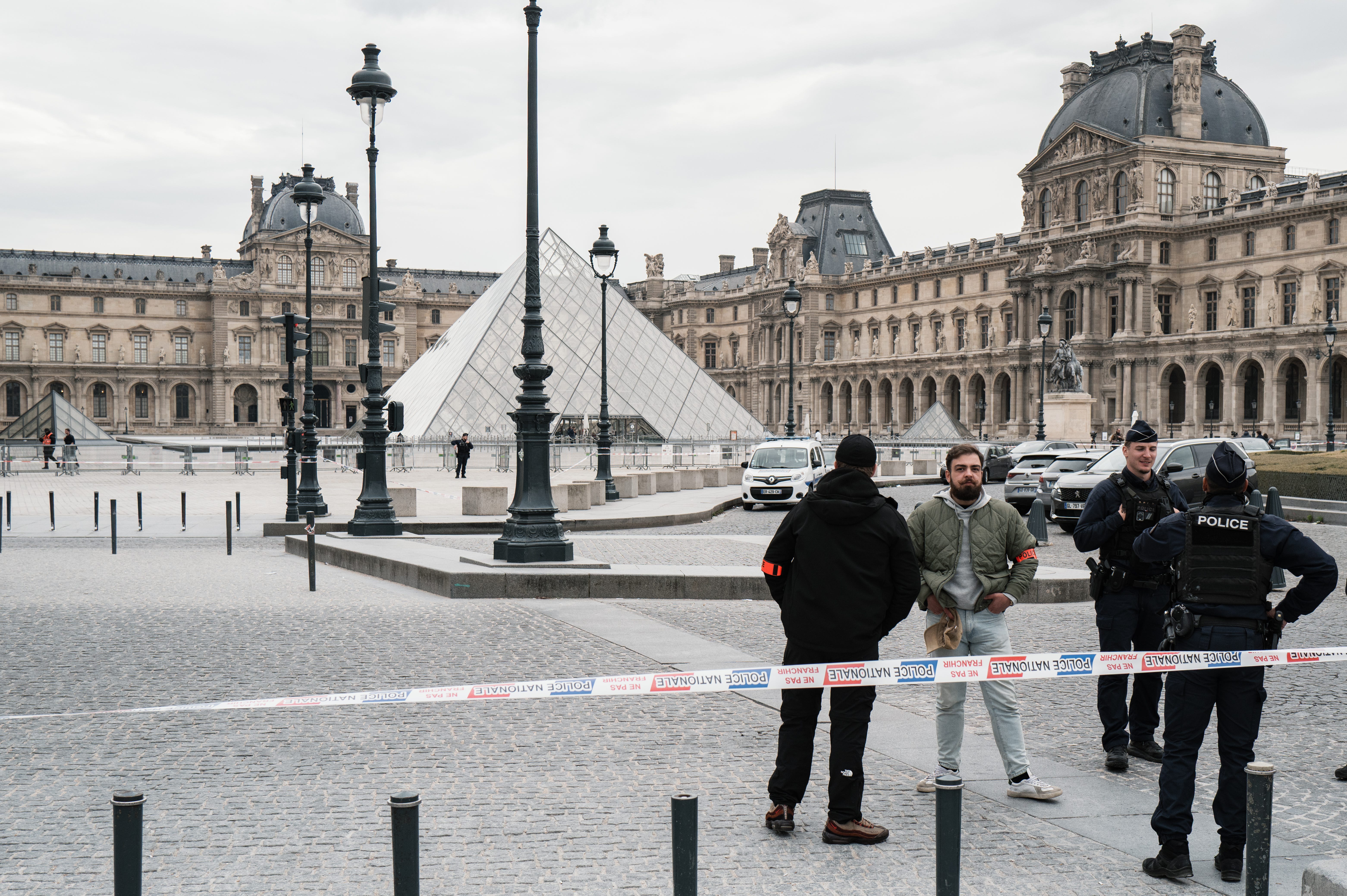
What do we really mean when we say something is priceless? The word suggests purity — a value so immense it transcends money altogether. But the theft of Napoleon’s jewels from the Louvre’s Galerie d’Apollon speaks to a more complicated truth: some things are only priceless until we, collectively as a culture, decide to put a price on them.
When I spoke to Tobias Kormind, managing director of Mayfair diamond merchants 77 Diamonds, he told me the jewels are unlikely ever to be seen again.
“Unless the thieves are caught early — which usually means someone tells on someone — the stones will be broken up and disappear into the market,” he said.
Once recut, the diamonds lose their identity and, with it, their history. The thieves don’t care about Napoleon; they care about liquidity.
Perhaps that’s also why some people find Bernard Arnault so objectionable: he seems to care about the magic of luxury only insofar as it lifts the LVMH share price. There’s little evidence of sentimental attachment or even enjoyment of luxury — qualities that have made him both wildly successful and faintly reviled.
A jewel’s power, Tobias reminded me, isn’t in its carats but in its context.
