

Audit theatre: How ‘Made in Italy’ brands fail exploited workers
Auditors who investigate the heartland of Made in Italy luxury say the system isn't fit for purpose

Italian prosecutors in Milan are using anti-mafia laws to hold brands accountable for decades of exploitation in “Made in Italy” factories, resulting in widespread press coverage, questions from shareholders and action from more proactive companies.
But a few hundred miles south in Prato, Tuscany, supply chain “auditors” tell Dark Luxury that the authorities there have been reluctant to hold brands responsible for similar problems, and say that the entire auditing system needs an overhaul.
Freelance finance and political reporter Camilla Borri, who previously worked for Reuters and Italian investigative outlet IrpiMedia, investigates…
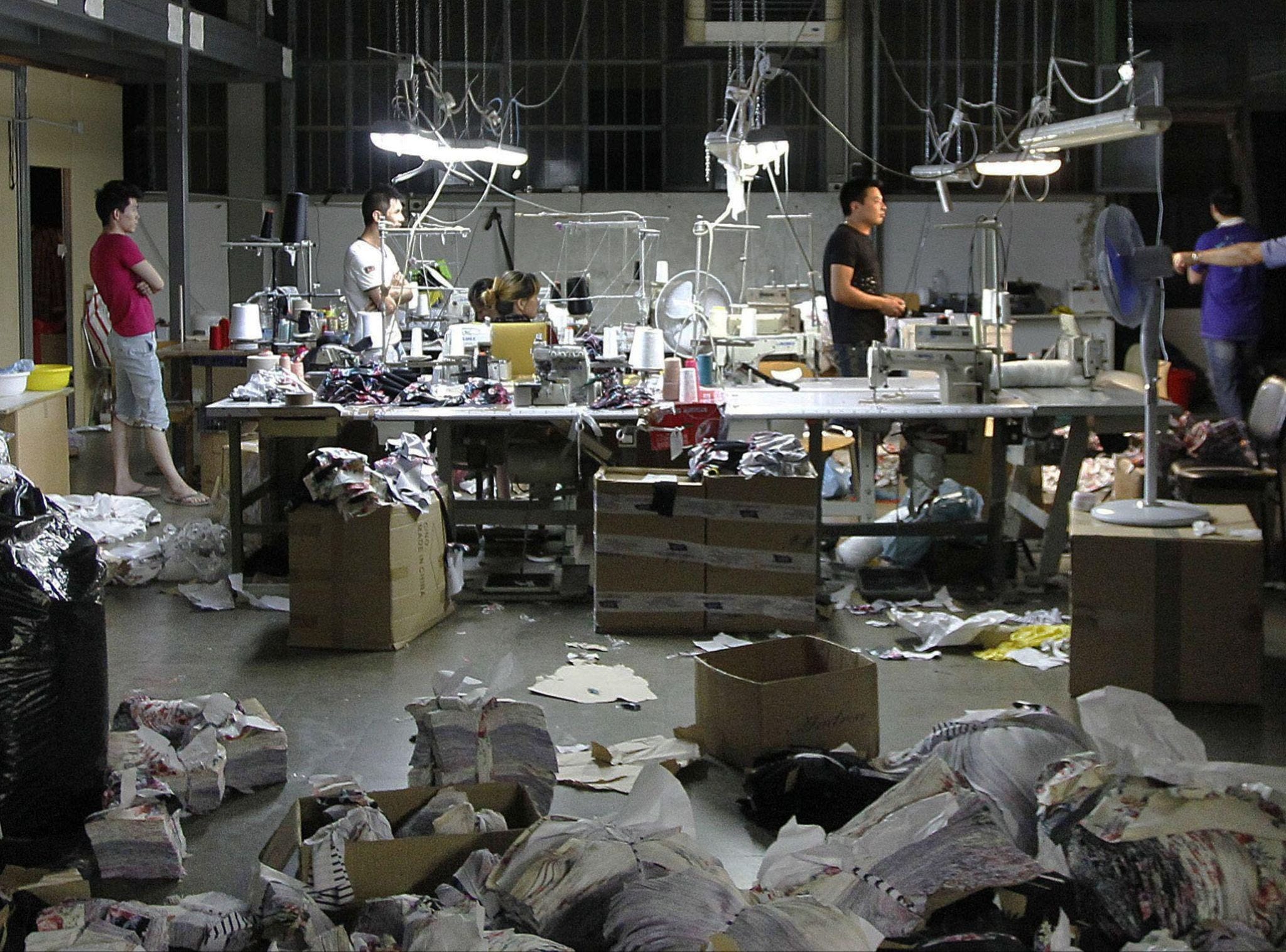
On the outskirts of Prato in Tuscany, in a factory supplying a well-known fashion brand, supply chain auditor Kate A Larsen once found a bed under a workshop table. The newly arrived Chinese workers at that particular factory were “living in cardboard boxes inside the factory. I’ve never seen that anywhere else in the world except India,” she said.
Larsen, who has worked in corporate responsibility for brands including Burberry, and who now trains people to detect and remedy modern slavery, has spent 20 years inspecting workshops supplying luxury fashion brands. From Asia to Europe, she commonly encountered workers existing in “horrific conditions”.
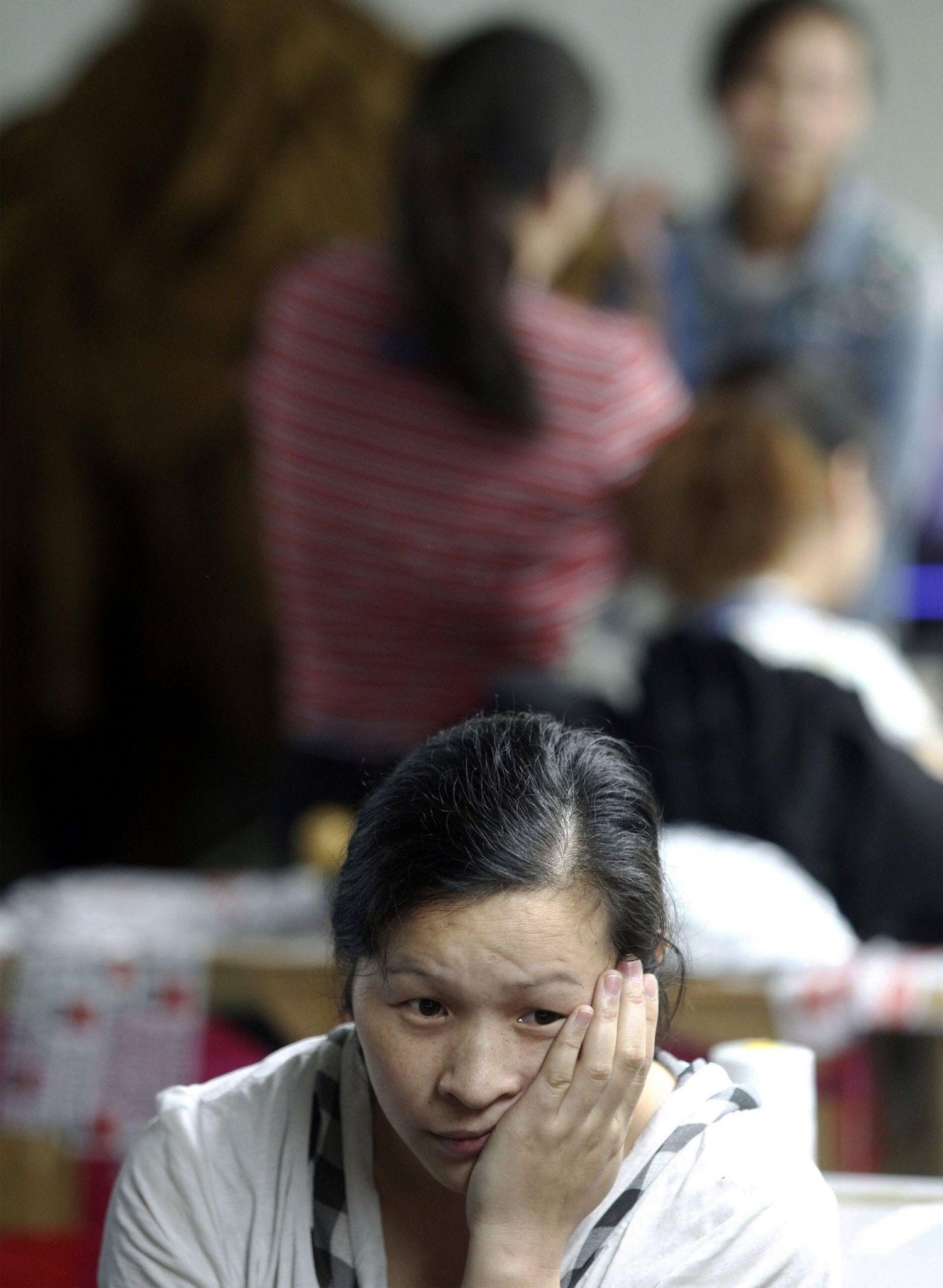
She witnessed many of those horrific conditions in Italy, and these were just in the factories she was able to visit. “There was one we couldn’t go because it was too risky in terms of like the Chinese triads and the Italian mafia being involved. It just wasn’t safe for us as a buyer to go there and we just had to end business with them”, she said.
Larsen saw the cardboard box beds in one of the historic centres of “Made in Italy” manufacturing, a few hours drive from the Milan runways where the garments being stitched together would soon be photographed on models, their images broadcasted around the world and posted on Instagram.
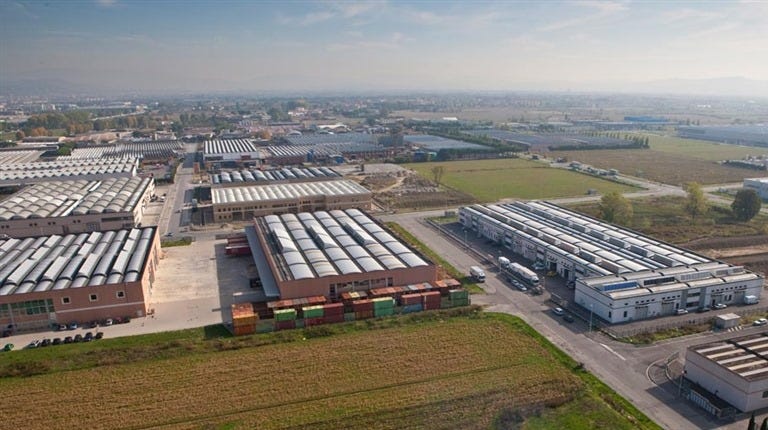
Prato is one of Europe’s historic textile districts and is the continent’s largest, specialising in the production of woolen yarns and fabrics. In 2022, it hosted around 7,000 factories supplying both fast fashion and luxury groups, including but not limited to Valentino, Armani, Gucci, Montblanc, Prada and Ermenegildo Zegna. Last year it became the battleground of a struggle between Swiss-owned luxury firm Montblanc and workers at one of its local leather subcontractors, a Chinese-owned workshop called Z Production. Some of the mostly Afghan, Pakistani and Chinese workers were undocumented, and worked 12-hour shifts, six days a week. They were denied holiday and sick pay, according to trade unionists who supported them.
The items they stitched left the workshop bearing one of the world’s most valuable logos, but the people who stitched them did not earn enough to buy one, even with months of wages. This kind of thing is not new to products that are made in Italy.
For decades, Prato has been the centre of low-cost manufacturing in Italy, supplying brands from high-street fast fashion to high luxury. A warehouse fire in 2013 which killed seven workers briefly highlighted the “Dickensian conditions” that workers often endured, prompting headlines describing the incident as “Bangladesh in Tuscany”. But, as the New York Times reported at the time, “the problems always seem to stay one step ahead of discovery”.
In the mid-2000s, Italian journalist Roberto Saviano wrote about this in Gomorrah, his book about the mafia’s penetration of Italian society, about the fashion material supply chain from cotton fields to factories to catwalks, and how the workers who make them are trapped in a system which exploits them.
“The clothes young Parisians will wear for a month… the watches Catalans will adorn their wrists with, and the silk for every English dress for an entire season”, he wrote, were made into products “half-born in the middle of China, finished on the outskirts of some Slavic city, refined in northeastern Italy”.
Saviano describes abuse in a supply chain that Italian prosecutors are still uncovering today. Twenty years later, the products are still being “refined” across Italy by poorly treated workers.
The pattern
In the last few years, luxury brands including Loro Piana, Armani and Tod’s have been at the centre of Italian investigations and legal proceedings which exposed labour exploitation in their subcontracting networks. Since 2024, the Milan Prosecutor’s Office, led by prosecutor and mafia investigator Paolo Storari, has requested documentation from at least 20 luxury brands, placed several companies under judicial administration and imposed fines including €181,000 on Loro Piana and €3.5 million on Armani.
Thanks to Milan prosecutor Paolo Storari we know about many cases of workers for subcontractors making bags and clothes for brands including Dior and Armani, some of whom were living and sleeping in the workplace in order to make their extraordinarily expensive items. Why didn’t the audit system expose this before he did?

Perhaps the most detailed and serious case so far is that of Tod’s. An investigation into the luxury footwear brand’s supply chain revealed a network of exploitation stretching from Lombardy in northeastern Italy to the Marche region in the east. At least 52 workers, predominantly Chinese nationals, were found working for less than €2.75 an hour in squalid conditions. Internal audits had previously warned Tod’s of these safety and exploitation risks, but prosecutors alleged that the company disregarded the reports, in effect allowing the abuse to continue.
Tod’s says it has always complied with the rules. Billionaire chairman Diego Della Valle said in a press conference that the prosecutor should “adopt a less superficial approach when dealing with businesses in our country”, adding that these investigations cause enormous damage to the “Made in Italy” brand.
The promise of the Made in Italy label
The “Made in Italy” mark accounted for exports worth €643 billion last year, and is aiming for €700 billion in 2026. Its mythology stretches back to the Renaissance and was sharpened by post-war Italian governments who promoted it as a brand built on heritage, craft and fine materials. Since 2009, strict legal requirements have governed what can be labelled “100% Made in Italy”.
“Customers expect better of Italy, they presume the ‘Made in Italy’ label means more legal compliance,” Larsen says.
Unfortunately, that is not always the case.
When Saviano was going undercover near Naples, the fashion industry adopted the practice of supply-chain audits to try and clean up its workshops. Today, supply chains have never been more “audited”, with people like Larsen and her colleagues paid to visit workshops, sometimes finding and preventing abuse. Why then does the abuse keep happening, as we have seen in the factories around Milan?
“I saw factories making items for brands such as Prada, Armani and more, with poor labour conditions,” Larsen says. “But at the time, we did not see Armani, Prada or most luxury fashion companies take substantial action such as by joining the Ethical Trading Initiative or Fair Labor Association”, she said, bodies which promote and organise for improved treatment of workers.
“Even now that the Tod’s and other cases became public, are most companies really doing as much supplier engagement and monitoring as is needed to improve conditions?” Larsen says. “I don’t know. Who cares? Who’s monitoring? Who is watching the brands?” she asks.
Larsen and other auditors we spoke to say that the auditing system is broken, and without major reform that goes further than the changes already mandated by the Italian authorities, the situation is unlikely to change.
A voluntary system paid for by the brands

Continue reading this post for free, courtesy of Conrad Quilty-Harper.
 | A guest post by
|